

Top Factors That Can Impact Your Home’s Appraisal Value

November 1, 2025

A home appraisal is a critical step in the buying, selling, or refinancing process. It determines your property’s fair market value based on a variety of factors. Whether you’re preparing to sell your home, refinance your mortgage, or remove Private Mortgage Insurance (PMI), understanding what influences your appraisal value can help you maximize your home’s worth. Here are the top factors that appraisers consider when evaluating your home.

1. Location

One of the most important factors in a home appraisal is its location. Appraisers assess the desirability of your neighborhood, proximity to schools, hospitals, shopping centers, public transportation, and overall market demand. Homes in high-demand areas with good infrastructure and low crime rates typically receive higher valuations.

2. Size and Usable Space

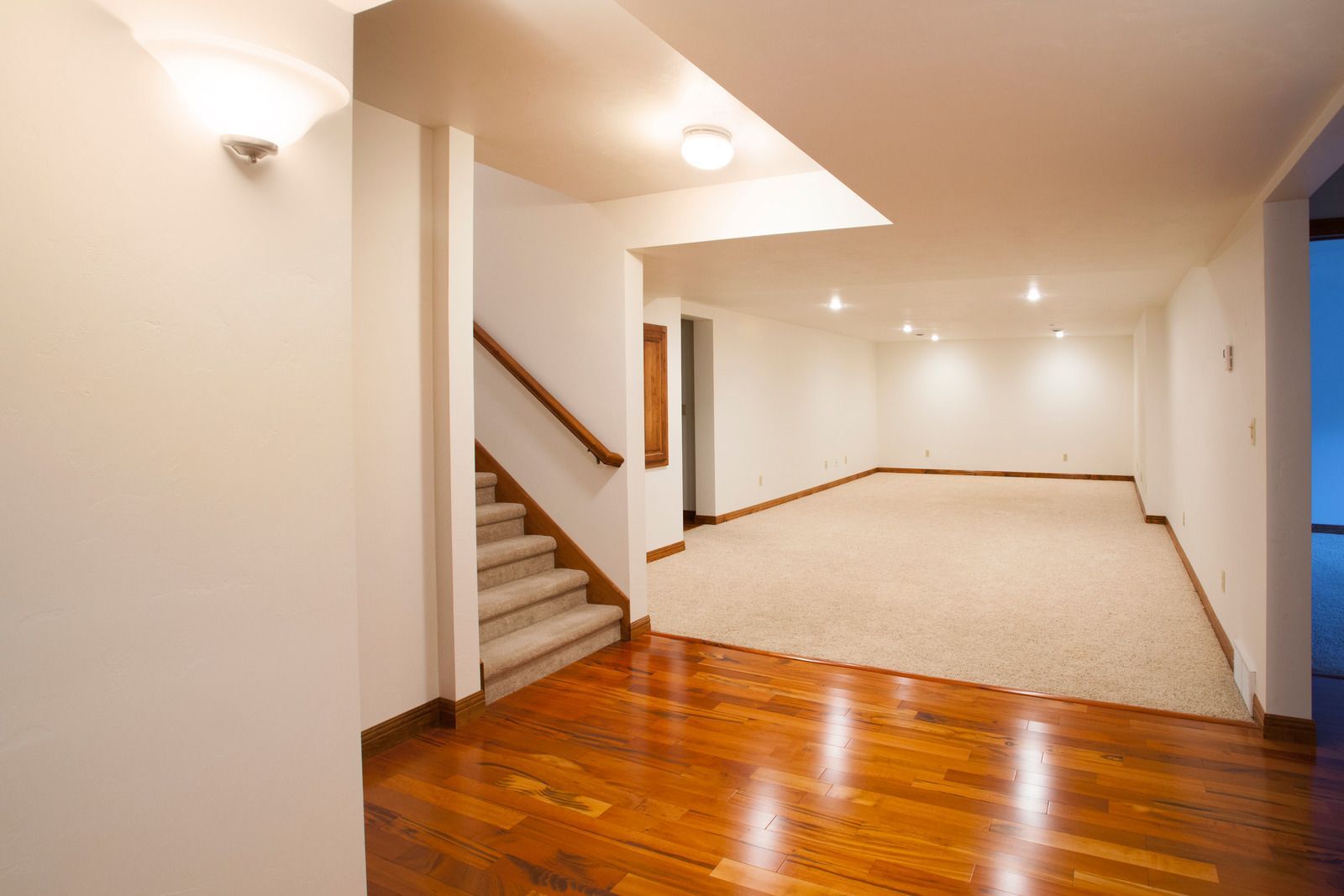
The square footage of your home and the number of usable rooms play a significant role in determining value. Appraisers measure the total livable space, including bedrooms, bathrooms, and finished basements, but they do not include unfinished areas like attics or garages. Larger homes with more functional space tend to appraise higher.

3. Condition and Age of the Home

A well-maintained home will receive a higher appraisal compared to one in need of repairs. Appraisers examine the foundation, roof, HVAC system, plumbing, and electrical systems. While newer homes often have fewer maintenance concerns, older homes that have been updated and well-kept can still appraise favorably.

4. Recent Upgrades and Renovations

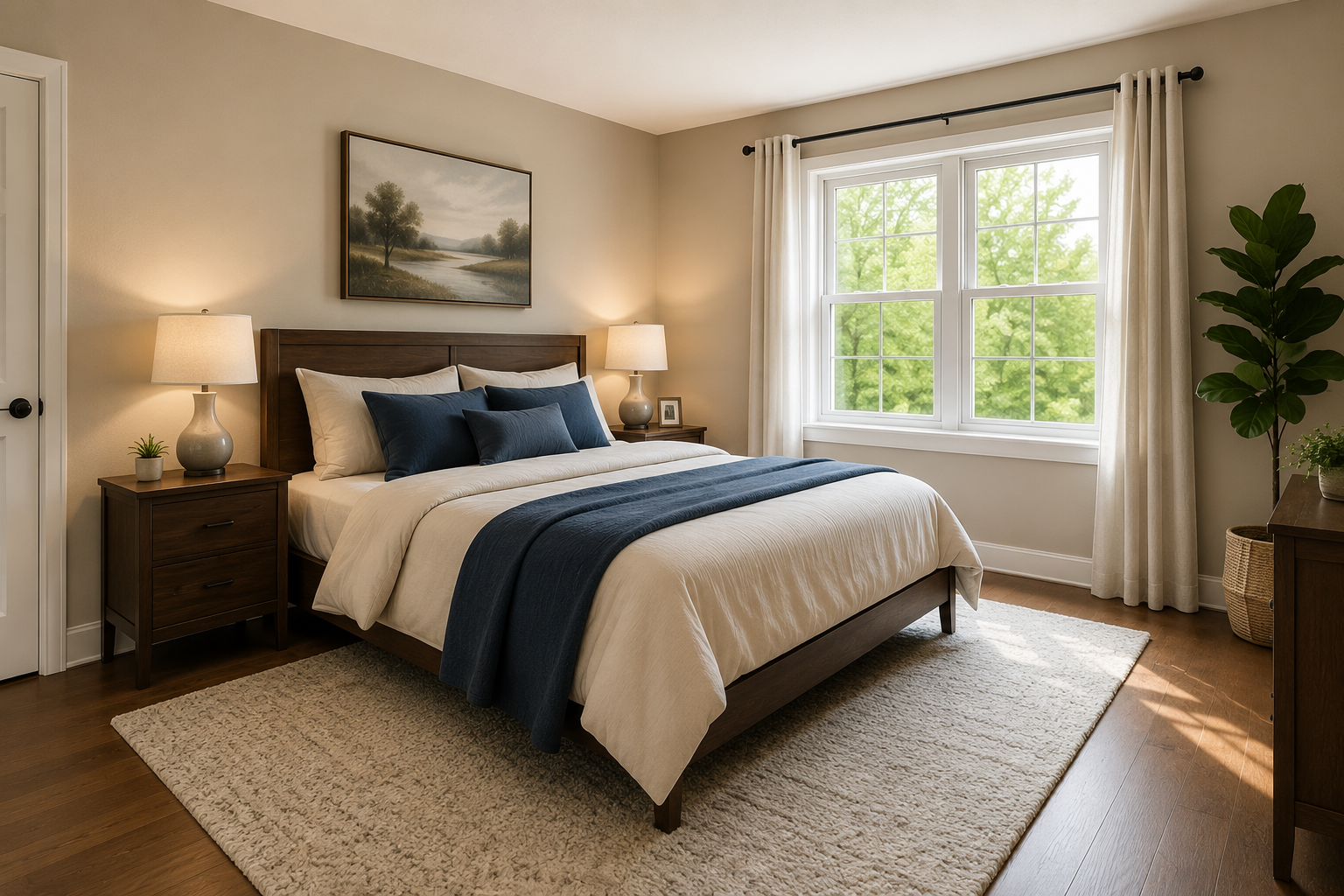
Modernized homes with updated kitchens, bathrooms, flooring, and energy-efficient features tend to receive higher valuations. However, not all upgrades offer the same return on investment. High-quality renovations that align with current market trends often boost appraisal value, while overly personalized modifications may not significantly impact the appraisal.

5. Comparable Sales in the Area (Comps)

Appraisers look at recently sold homes in your area that are similar in size, age, and condition to establish your home’s value. If comparable homes (or “comps”) have sold for higher prices, it can positively impact your appraisal. On the other hand, declining market trends can lower your home’s valuation.

6. Curb Appeal and Exterior Features

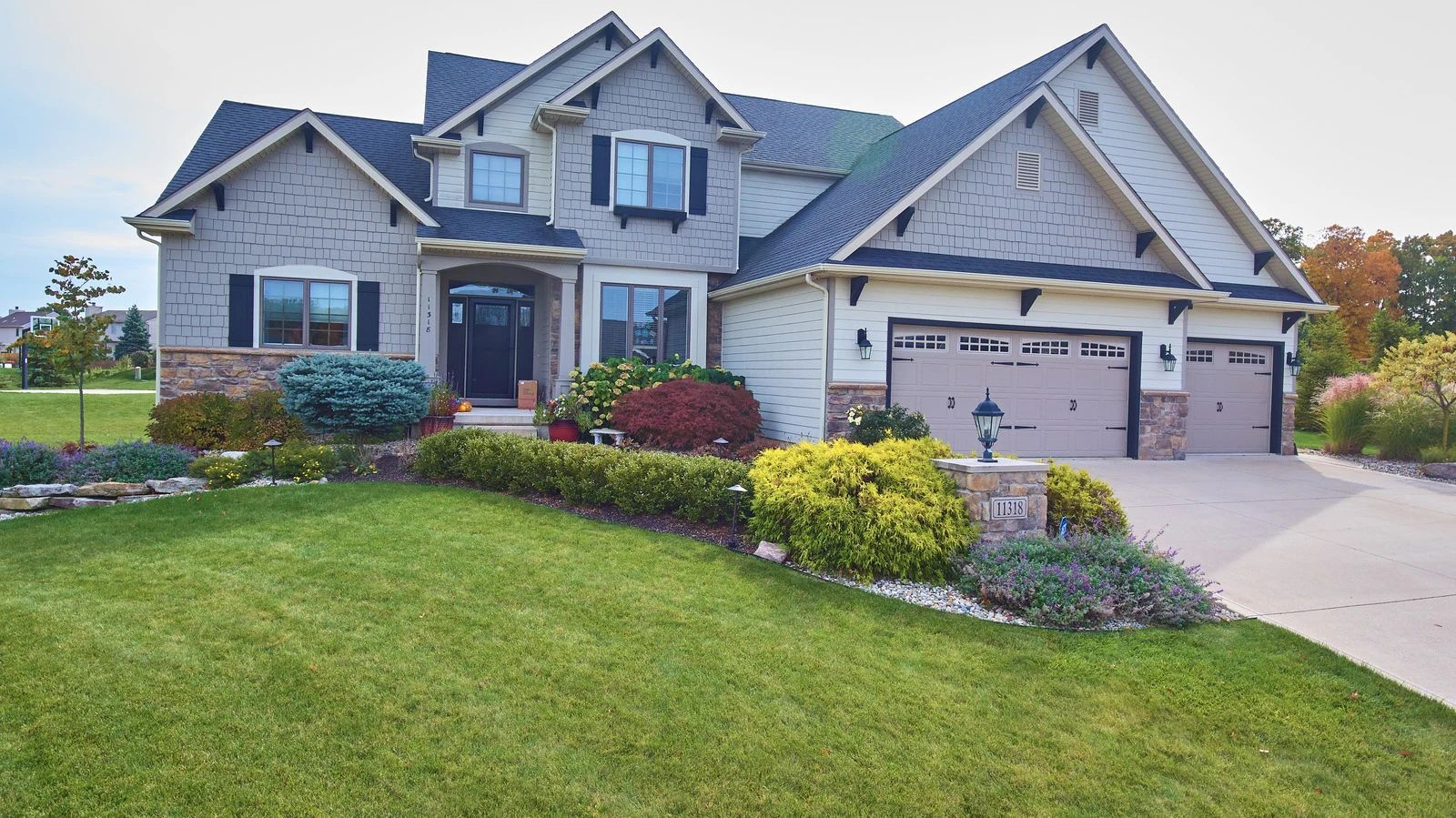
First impressions matter. The exterior condition of your home, including landscaping, driveway, siding, and roof condition, can influence an appraiser’s assessment. A well-maintained exterior can add value, while visible neglect may decrease the home’s worth.

7. Market Conditions

The overall real estate market plays a major role in appraisal values. If demand is high and homes are selling quickly, appraised values may rise. Conversely, in a slow market, even well-maintained homes may appraise lower due to decreased buyer demand.

8. Functional Layout and Floor Plan

Homes with an open, flowing layout and ample natural light often receive higher valuations. On the other hand, properties with awkward layouts, small rooms, or outdated floor plans may not be as desirable and could negatively affect appraisal value.

9. Energy Efficiency and Smart Home Features

Energy-efficient homes with features like solar panels, energy-efficient windows, insulation, and smart thermostats often receive higher valuations. Buyers are increasingly interested in eco-friendly and cost-saving upgrades, making them a valuable addition to your home.

10. Zoning and Legal Restrictions

Local zoning laws, property usage restrictions, and potential encroachments can impact a home’s value. If your home is subject to zoning changes or legal issues, it could affect the appraisal outcome.


Understanding these key factors can help homeowners take proactive steps to maximize their home’s appraisal value in Wake Forest, NC. Regular maintenance, strategic upgrades, and staying informed about market trends can contribute to a favorable valuation. If you’re preparing for an appraisal, consider consulting Moore 4-U Appraisals to get personalized insights. Having 20 years of experience, we ensure your home is valued at its best.

Brick house with white shutters and columns on a large, grassy lawn under a blue sky.
February 3, 2026
Buying a home is one of the biggest financial decisions most people will ever make, and understanding the numbers behind your mortgage can dramatically affect what you pay over time. Among those numbers, the loan-to-value (LTV) ratio plays a larger role than many first-time buyers realize.
Document titled
January 29, 2026
For many first-time buyers, purchasing a home is both exciting and intimidating. Between comparing mortgage options, understanding closing costs, and navigating interest rates, one term often pops up that creates confusion: Private Mortgage Insurance (PMI).
Wooden houses and
December 2, 2025
The home appraisal process is a critical step in buying or selling a property. It determines the fair market value of a home, ensuring that both buyers and sellers engage in a transaction based on accurate property value.
Brick house with white shutters and columns on a large, grassy lawn under a blue sky.
February 3, 2026
Buying a home is one of the biggest financial decisions most people will ever make, and understanding the numbers behind your mortgage can dramatically affect what you pay over time. Among those numbers, the loan-to-value (LTV) ratio plays a larger role than many first-time buyers realize.
Document titled
January 29, 2026
For many first-time buyers, purchasing a home is both exciting and intimidating. Between comparing mortgage options, understanding closing costs, and navigating interest rates, one term often pops up that creates confusion: Private Mortgage Insurance (PMI).
Wooden houses and
December 2, 2025
The home appraisal process is a critical step in buying or selling a property. It determines the fair market value of a home, ensuring that both buyers and sellers engage in a transaction based on accurate property value.