
When Does It Make Sense to Take a Second Mortgage? Pros, Cons, and Risks
May 2, 2026
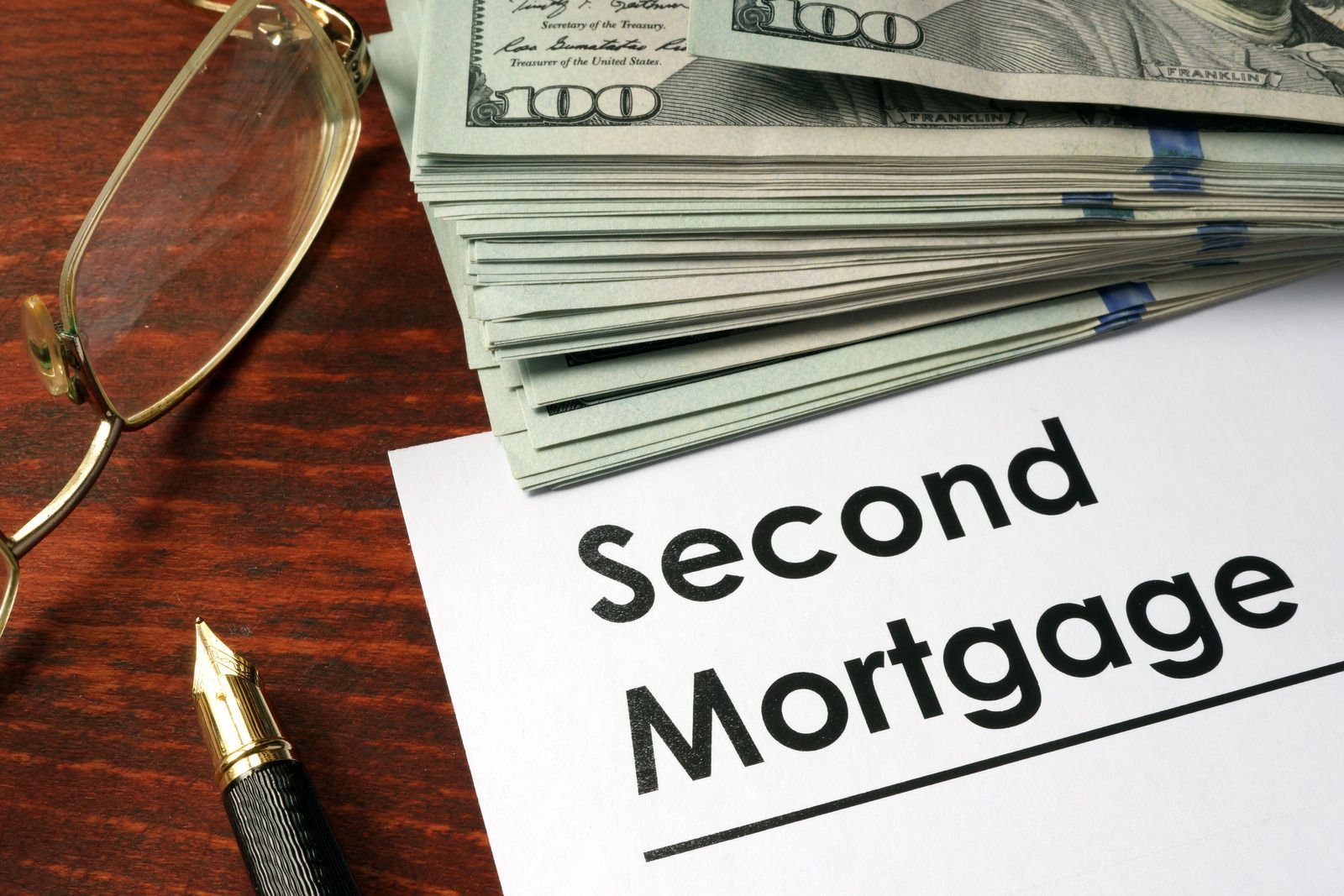
For many homeowners, equity in a property represents a significant financial resource that can be leveraged to achieve major life goals. One common strategy to access this value is through a second mortgage, a type of loan secured against the home in addition to an existing primary mortgage. Understanding when this financial tool is appropriate is crucial, as it comes with both opportunities and obligations that can significantly impact long-term financial health. Homeowners face a growing range of financial needs—from funding home renovations and consolidating debt to covering unexpected expenses. Knowing how a second mortgage works and when it aligns with personal objectives can prevent costly mistakes and maximize the benefits of available equity.
A second mortgage is not automatically the right choice for every homeowner. It requires careful consideration of interest rates, repayment capacity, and potential risks, as well as an assessment of alternative financing options. This blog delves into the circumstances under which taking a second mortgage is sensible, explains the advantages and challenges involved, and highlights the risks that must be evaluated before making this financial commitment. Understanding these factors empowers homeowners to use their home equity strategically and responsibly.
Understanding Second Mortgages
What is a Second Mortgage?
A second mortgage is a loan that uses an existing home as collateral, positioned behind the primary mortgage in priority. Unlike refinancing, which replaces the first mortgage entirely, a second mortgage allows homeowners to borrow additional funds while keeping the original loan intact. The borrowed amount is typically based on the equity built in the home, calculated as the difference between the property’s current market value and the outstanding balance of the first mortgage. Second mortgages often come in two main forms: a home equity loan, which provides a lump sum, and a home equity line of credit (HELOC), which operates like a revolving credit line.
How Second Mortgages Differ from Primary Mortgages
Primary mortgages generally secure the purchase of the home and carry longer repayment periods, often 15 to 30 years. Interest rates for primary mortgages tend to be lower than those of second mortgages, reflecting the higher risk for lenders of a second-position loan. Second mortgages, in contrast, are riskier for lenders because repayment only occurs after the primary mortgage is satisfied in the event of default. This elevated risk usually translates into higher interest rates, shorter repayment periods, and more stringent borrowing requirements.
Pros of Taking a Second Mortgage
Access to Substantial Funds
A primary advantage of a second mortgage is access to significant capital without selling the home or liquidating other investments. For example, a homeowner who has accumulated considerable equity over years of mortgage payments can borrow a lump sum for home renovations, medical bills, or education costs. This approach provides financial flexibility while preserving ownership of the property. Unlike unsecured loans or personal lines of credit, second mortgages generally offer larger loan amounts at potentially lower interest rates.
Tax Advantages
Interest paid on certain types of second mortgages may be tax-deductible, depending on local tax regulations and the purpose of the funds. Historically, the IRS has allowed deductions for interest on loans used for substantial home improvements, which can reduce the effective cost of borrowing. Homeowners considering a second mortgage for property enhancement projects may find that tax advantages improve the overall financial value of the loan.
Lower Interest Compared to Unsecured Loans
Second mortgages usually offer lower interest rates than credit cards, personal loans, or other unsecured borrowing options. This makes them an attractive tool for consolidating high-interest debt. By converting multiple high-rate debts into a single, lower-rate second mortgage, homeowners can reduce monthly payments and streamline finances. This approach can enhance cash flow, allowing more predictable budgeting and improved financial management.
Flexible Loan Structures
Home equity lines of credit (HELOCs) provide a flexible borrowing option. Homeowners can draw funds as needed rather than taking the full loan amount upfront, which can be useful for ongoing expenses such as home improvement projects or fluctuating educational costs. Repayment structures can vary, with some HELOCs offering interest-only payments during an initial draw period, making cash flow management more adaptable. Understanding these flexible structures helps homeowners tailor borrowing strategies to specific financial goals.
Cons and Challenges of a Second Mortgage
Increased Financial Liability
Taking on a second mortgage increases total debt and introduces additional monthly obligations. Even with lower interest rates than unsecured debt, the requirement to repay a second mortgage on top of the primary loan can strain budgets if income fluctuates or unexpected expenses arise. Homeowners must carefully evaluate their capacity to meet dual mortgage payments without compromising financial stability.
Risk of Foreclosure
Since a second mortgage is secured by the home, failure to meet payments could result in foreclosure. While the first mortgage holds primary claim, the second mortgage lender retains a legal right to recoup funds through sale of the property if the loan defaults. This risk emphasizes the need for realistic assessment of repayment ability and long-term financial planning before borrowing.
Higher Interest Rates and Shorter Terms
Second mortgages typically carry higher interest rates than primary mortgages due to the elevated risk for lenders. Terms may also be shorter, requiring faster repayment and potentially higher monthly payments. These factors can increase overall borrowing costs and reduce financial flexibility. Homeowners must carefully compare interest rates, repayment terms, and fees to ensure the loan aligns with long-term financial objectives.
Fees and Closing Costs
Second mortgages can involve origination fees, appraisal costs, and other closing expenses that add to the total cost of borrowing. Unlike the primary mortgage, which may have more competitive fee structures, second mortgage fees can vary widely depending on lender policies and creditworthiness. Factoring these costs into the financial plan is critical to avoid surprises and assess true affordability.
Situations Where a Second Mortgage Makes Sense
Home Renovations and Improvements
Borrowing against home equity for major renovations or improvements can be a sound investment, especially when upgrades increase property value. Projects such as kitchen remodeling, roof replacement, or energy-efficient enhancements can yield long-term financial benefits. A second mortgage can provide the necessary funds while preserving capital and leveraging existing property value effectively.
Debt Consolidation
High-interest debts like credit cards or personal loans can accumulate quickly, reducing cash flow and increasing financial stress. A second mortgage can consolidate these obligations into a single loan with lower interest rates and predictable payments. This approach simplifies finances, reduces total interest paid, and can improve credit scores if managed responsibly.
Education and Large Expenses
Funding education or other significant life expenses through a second mortgage can be a practical option for homeowners with sufficient equity. Using home equity as collateral may provide access to larger sums than traditional student loans or personal lines of credit. Careful planning ensures that repayment aligns with income projections and avoids over-leveraging.
Emergency Situations
Unexpected financial emergencies, such as medical bills, repairs, or sudden income loss, can necessitate access to large funds. A second mortgage can provide a critical financial safety net, enabling homeowners to address urgent needs without liquidating other assets or investments. Maintaining a realistic repayment plan is essential to ensure the loan remains manageable.
Risks and Considerations Before Borrowing
Evaluating Financial Capacity
Before taking a second mortgage, assessing current income, debt obligations, and future earning potential is essential. Overestimating repayment ability can lead to financial strain or default. Conducting a thorough budget analysis helps identify whether the additional loan aligns with both short-term cash flow and long-term financial goals.
Impact on Home Equity
A second mortgage reduces available home equity, which may limit future borrowing options or the ability to sell the property with substantial returns. Homeowners should consider the long-term implications of reducing equity, especially if property values fluctuate or if additional financial needs arise. Preserving sufficient equity ensures flexibility for future financial strategies.
Market Conditions and Property Value
Second mortgages are secured against the home’s value, making market fluctuations a key consideration. A declining real estate market can reduce equity, increasing the risk of owing more than the property is worth. Homeowners should monitor property value trends, interest rates, and economic conditions to make informed borrowing decisions.
Comparing Alternatives
Other financing options, such as personal loans, credit cards, or cash-out refinancing of the primary mortgage, may offer different costs, benefits, and risks. Comparing multiple options allows homeowners to identify the most suitable solution based on interest rates, repayment terms, and overall financial impact. Professional financial advice can provide clarity and reduce the likelihood of unwise borrowing decisions.
Trusted Guidance on Second Mortgages for Homeowners
Second mortgages can be a powerful tool for accessing home equity, enabling homeowners to fund renovations, consolidate debt, manage large expenses, or navigate emergencies. However, this financial instrument carries significant obligations, including increased monthly payments, potential foreclosure risks, and reduced future equity. Carefully weighing the pros, cons, and alternatives ensures informed borrowing decisions aligned with long-term financial goals. By understanding the different forms of second mortgages, interest rates, repayment structures, and associated risks, homeowners can leverage their property strategically without jeopardizing stability.
At Moore 4-U Appraisals, based in Wake Forest, NC, over 20
years of experience has honed expertise in guiding homeowners through complex mortgage and home equity considerations. Our commitment to professional, reliable, and transparent service ensures that clients fully understand the implications of taking a second mortgage. Partnering with seasoned appraisal professionals provides the knowledge and confidence needed to navigate home financing effectively and responsibly, empowering homeowners to make choices that support both immediate needs and long-term financial security.