
Why a Duplex Appraises Differently Than Two Separate Houses
November 21, 2026
Is a duplex worth more or less than two houses of the same size?
Do appraisers use the rent I collect to value a duplex?
Fewer duplex sales exist, so the appraiser searches a wider area and makes more adjustments. The report also covers two units with separate details, which adds length but makes the reasoning clearer.
What can I do to help the appraiser value my duplex accurately?
QUICK ANSWER: A duplex appraises differently than two separate houses because an appraiser values it as a single property with two units, not as the sum of two homes. The appraiser looks for sales of other duplexes, adjusts for differences in unit size, condition, and layout, and reviews market rent for each unit to confirm the value makes sense for an income producing property. Two detached houses on separate lots are each valued on their own comparable sales, and shared walls, one lot, and combined utilities do not enter the picture. The same square footage and the same rents can therefore produce two different opinions of value, depending on how the buildings are arranged.
You are looking at two ways to own the same amount of living space. One is a duplex in Knightdale with a unit on each side of a shared wall. The other is a pair of small houses on neighboring lots in Zebulon, each with its own yard and driveway. The square footage matches almost exactly. The rents look similar. It seems reasonable to expect the appraised values to land in the same place.
Then the numbers come back and they do not. The duplex appraises in a different range than the two houses, and nobody can quite explain why. The difference has nothing to do with one being a better investment. It comes from how appraisers define each property, which sales they are allowed to compare it to, and which adjustments the market supports.
Once you see the logic, the gap makes sense, and it becomes much easier to predict how an appraiser will approach a multifamily property of your own.
A Duplex Is One Property, Not Two Houses
The first thing an appraiser decides is what the property is. A duplex is a single improved property with two dwelling units. It usually sits on one lot, shares a structural wall or floor, and often shares a roof, a foundation, and sometimes a set of utility connections. It is appraised as one asset.
Two detached houses are different. Each has its own lot, its own foundation, and its own market of buyers. Each one is appraised separately, with a separate report and a separate opinion of value. Adding the two together does not produce the value of a duplex, and splitting a duplex in half does not produce the value of two houses.
This matters because buyers think about the two property types differently. A buyer of a detached home is usually shopping for a place to live, and the pool of buyers is large. A buyer of a duplex may be an owner who lives in one side and rents the other, or an investor who plans to rent both. That smaller, more specialized buyer pool shapes which sales count as comparable and how much weight the appraiser gives to each.
The Sales Comparison Starts With Other Duplexes
For a duplex, the best comparable sales are other duplexes. An appraiser looks for closed sales of similar two unit buildings in the same part of the market, ideally within the last six to twelve months. The appraiser then adjusts each sale for differences, such as unit size, bedroom and bathroom counts, age, condition, parking, and lot size.
Here is where the Triangle makes this harder than it sounds. Detached homes sell constantly in Wake Forest, Cary, and Apex, so a residential appraiser can usually find several nearby sales. Duplexes sell far less often. In a given neighborhood there may be only one or two duplex sales in a year. That forces the appraiser to widen the search area, look at older sales, or consider duplexes in a neighboring community like Wendell or Rolesville.
A wider search is not a flaw in the report. It is an honest reflection of a thin market. Each step away from the subject property calls for more explanation and more adjustment, which is why a duplex report often reads as longer and more detailed than a standard house appraisal.
Tip: Before an appraisal, gather the details an appraiser cannot see from the street. A simple list of each unit's bedroom count, bathroom count, recent updates, and the year of any major system replacement helps the appraiser describe both sides of the building accurately and avoid treating them as identical when they are not.
Why You Cannot Simply Use House Sales
It is tempting to value a duplex by adding the sale prices of two similar houses. Appraisers do not do this, and the reasons are practical.
A pair of detached homes comes with two lots, and land is a meaningful part of a house's value. A duplex sits on one lot, so the land component is spread across both units. Detached homes also offer privacy, separate entrances, and private outdoor space for every household. A duplex shares a wall, which can mean sound transfer, and the units often share a driveway or a yard.
Buyers react to those differences. Some will pay more for the efficiency of one building and one roof. Others will pay more for the independence of separate houses. The appraiser does not decide which preference is right. The appraiser reads what the market has actually paid for each type and reports it.
This is also why the lender's report form changes. National lending guidelines use a different appraisal report form for two to four unit properties than for a single family home, and that form includes a section for the rental activity of each unit. The report is built around the fact that a duplex is both a place to live and an income producing building.
How Rent Fits Into the Picture
The role of rent surprises many owners. For small residential properties of one to four units, appraisers generally rely on the sales comparison approach as the main method. Rent does not replace comparable sales. Instead, it supports them.
The appraiser reviews market rent for each unit by looking at what similar units in the area actually lease for. That information is reported alongside the sales data, and it helps confirm whether the opinion of value is reasonable for a building that produces income. When an appraiser has enough rental and sales data, a measure called the gross rent multiplier can help show how the market relates rent to value for similar buildings.
The important point is that the appraiser uses market rent, not the rent you currently collect. A unit leased well below the going rate does not drag the value down in the same way that an unusually high lease does not push it up. Market evidence is the standard, because a future owner may charge more or less than you do today.
For properties with five or more units, appraisers lean more heavily on the income approach, which converts net income into value. A duplex normally stays in the sales comparison world, although an experienced appraiser keeps the income picture in view so the final number does not drift away from what the market would support.
Warning: Do not assume a high rent roll guarantees a high appraisal on a small property. A duplex with strong cash flow can still appraise in line with other duplex sales, because the number rests on what comparable buildings sold for and on market rent, not on how much profit the current owner makes.
Features That Move a Duplex Value Up or Down
Because every duplex is a small combination of two homes, the details within the building matter a great deal. An appraiser pays attention to several things.
Unit Mix
Buildings with similar-sized units are often easier to compare, while unusual combinations require more careful market analysis.
Separation Of Systems
Separate electric meters, HVAC systems, and water heaters make each unit more independent and can improve market appeal.
Condition And Updates
The appraiser evaluates each unit individually, considering renovations, kitchen upgrades, and overall condition rather than averaging both.
Parking And Outdoor Space
Off-street parking, separate entrances, and usable yard space influence how the property compares with nearby duplex sales.
Layout And Floor Plan
Side-by-side and stacked duplexes attract different buyers, so appraisers prioritize comparable properties with similar layouts.
Why Two Houses Often Show a Different Pattern
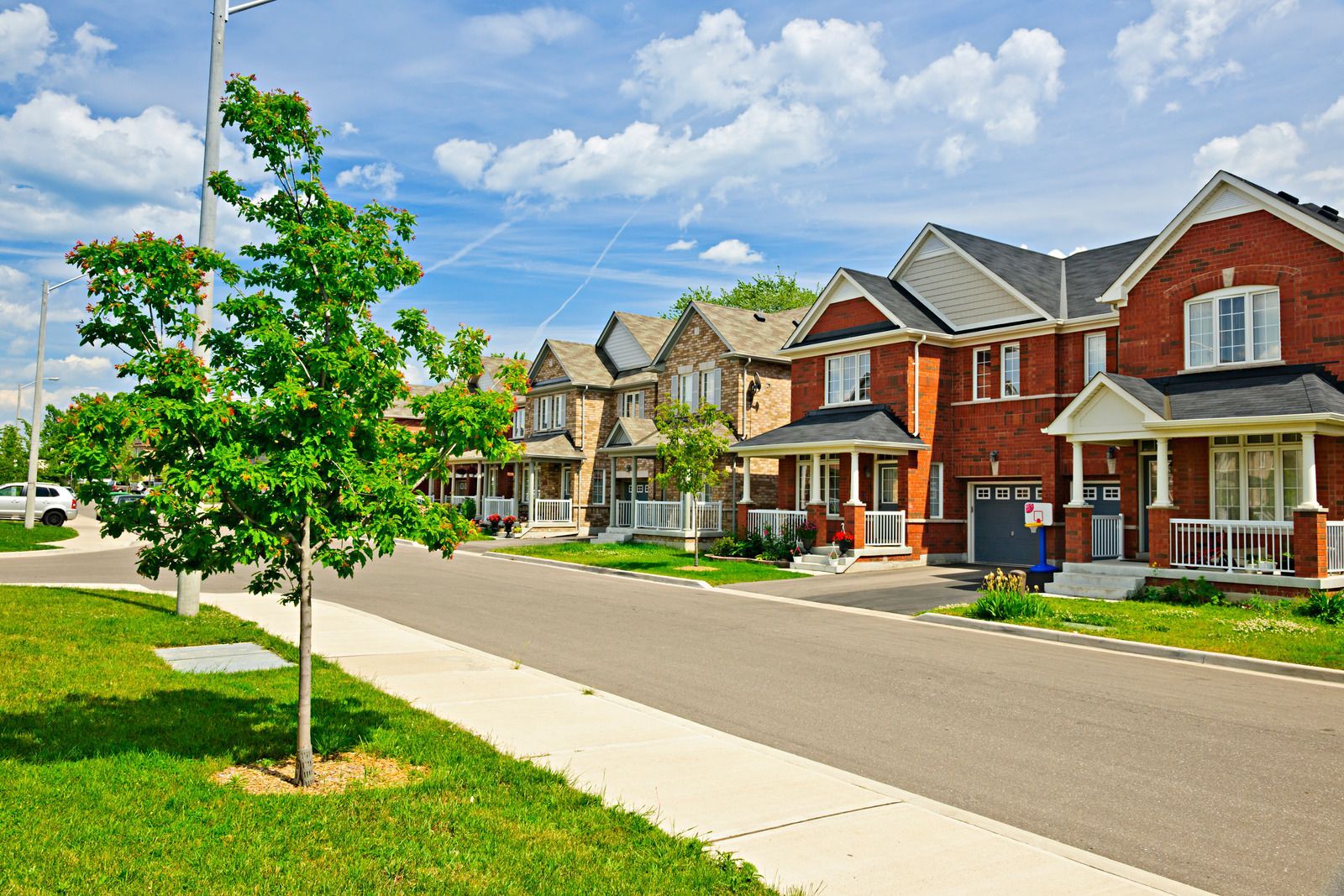
Two separate houses are appraised through the usual residential process. Each one has its own set of three closed sales from nearby streets, adjusted for features like gross living area, garage size, lot size, and condition. In a busy area such as Cary or Apex, the data is plentiful and the comparison is tight.
Several things can make the two houses appraise differently from the duplex of similar size.
The land is counted twice. Two lots carry two land values, while the duplex has one. In a market where lots are scarce, that can be a meaningful difference.
The buyer pool is wider. Detached homes attract owner occupants, which usually means more comparable sales and more competition, and that tends to support values.
The adjustments are simpler. A detached home does not need an adjustment for a shared wall or a shared driveway, so the grid is cleaner.
None of this means detached homes are always worth more. In a market where investors are active and small rental buildings are in demand, a well kept duplex can compare very favorably. What the comparison shows is that the two property types are evaluated through different sets of evidence, so identical square footage does not produce identical value.
How Wake County Conditions Shape the Result
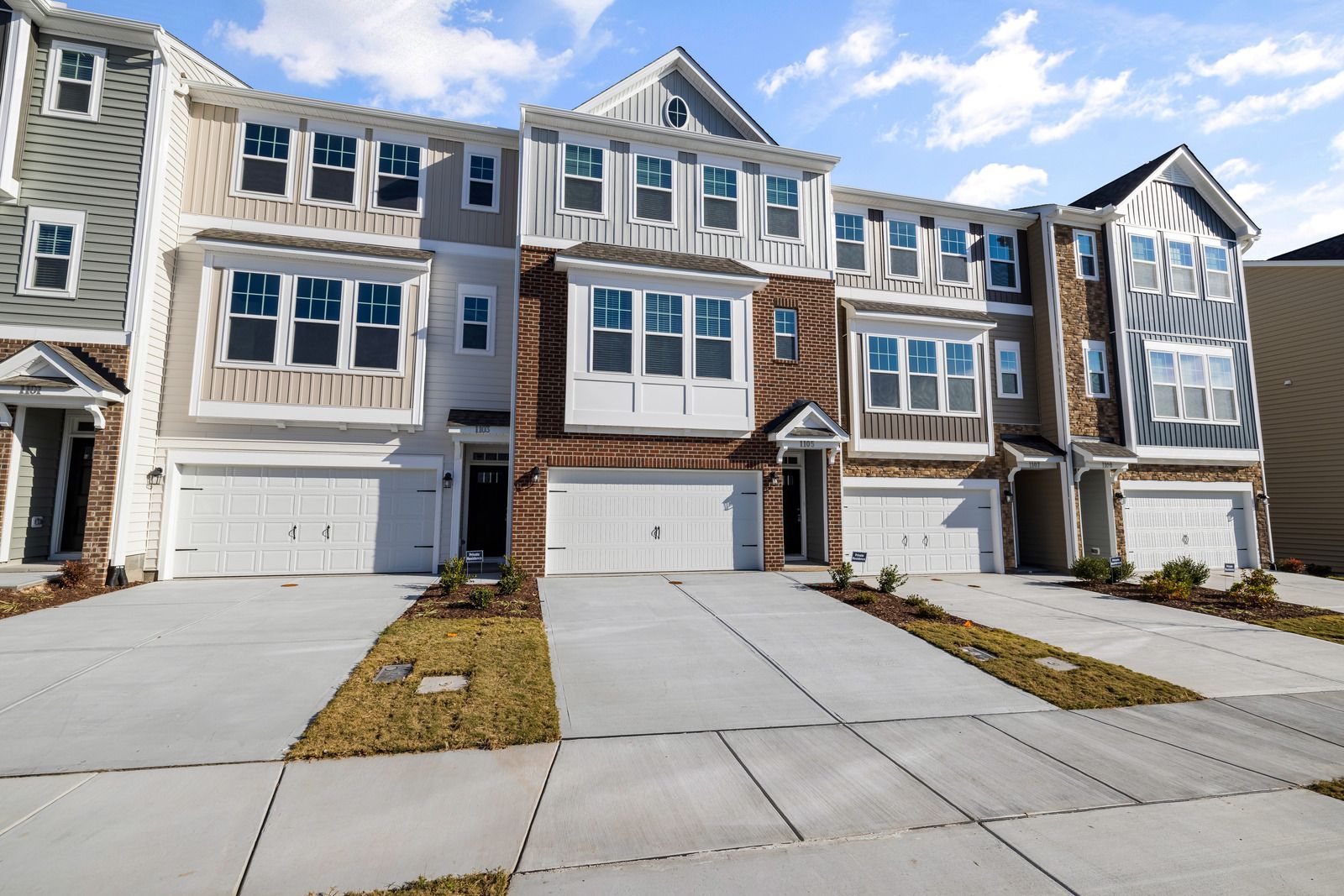
The Triangle adds its own wrinkles. Growth in Raleigh, Durham, and Morrisville has kept demand for rental housing steady, but the supply of duplexes is uneven. Some neighborhoods have a long history of two family buildings, and others have almost none. An appraiser working in an established part of Raleigh may find a dozen duplex sales to draw from, while one working in Rolesville may find none within a mile.
Zoning and neighborhood character also influence which sales count. A duplex in an area where two family buildings are common will compare to a different set of sales than a lone duplex surrounded by single family homes. The appraiser reads the neighborhood the way a buyer would, and notes how the building fits in.
Experience with the local market is a large part of getting this right. Knowing which communities treat duplexes as ordinary housing, and which treat them as a niche, helps the appraiser choose comparable sales that real buyers would actually consider.
Frequently Asked Questions
Is a duplex worth more or less than two houses of the same size?
There is no fixed answer. Two houses carry two lots and a wider buyer pool, while a duplex is judged against other duplexes and market rent. Either can come out higher.
Do appraisers use the rent I collect to value a duplex?
They use market rent, what similar units in the area actually lease for. Your current lease is useful, but if it differs from the market, the appraiser relies on market evidence instead.
Why does a duplex appraisal take more explanation than a house?
Fewer duplex sales exist, so the appraiser searches a wider area and makes more adjustments. The report also covers two units with separate details, which adds length but makes the reasoning clearer.
Does it matter if one side of the duplex is owner occupied?
The appraiser values the property as a whole, based on its features and market evidence. Occupancy can affect how the property is described, but the value rests on building, land, sales, and rent.
Can a duplex have separate values for each unit?
A standard duplex appraisal produces one opinion of value for the whole property. It describes both units and their rents, but does not split them unless the property is legally divided into separate parcels.
What can I do to help the appraiser value my duplex accurately?
Provide a clear description of each unit, with bedroom and bathroom counts, recent updates, and major system replacements. Share details on separate meters and systems so the appraiser compares your building correctly.
Seeing Your Duplex the Way an Appraiser Does
A duplex and a pair of detached houses can hold the same square footage and similar rents and still land on different values, because they are different kinds of property. One is a single building with two units, judged against other duplex sales and checked against market rent. The other is two independent homes, each measured against nearby house sales on its own lot. Once you grasp that distinction, the gap in the numbers stops looking like a mistake and starts looking like sound reasoning.
Knowing how an appraiser frames the question also helps you prepare the right information and set expectations you can stand behind. Moore 4-U Appraisals has valued multifamily and complex properties across Wake Forest, NC and the surrounding communities for 20 years, always working toward an opinion of value that traces back to real market evidence. When you understand why the method differs, the final figure feels far less like a surprise and far more like a conclusion you can follow.