

Why Your 'Bedroom' Might Not Count as a Bedroom on an Appraisal

July 2, 2026

Quick Answer: A room only counts as a bedroom on an appraisal when it meets the recognized standards for one, not just because you use it for sleeping. Appraisers generally look for a room of adequate size (commonly at least 70 square feet with a minimum 7-foot dimension under ANSI measurement standards), a proper means of egress such as a conforming window, and a way to enter without passing through another bedroom. A closet helps for marketability but is not always a strict requirement. If a room misses these marks, an appraiser may count it as a den or bonus room instead.

You list your house as a four-bedroom, the appraiser walks through, and the report comes back calling it a three-bedroom with a "bonus room." Suddenly a space you have always thought of as a bedroom does not officially count, and you are left wondering how that is possible when there is clearly a bed in there. It is one of the more confusing moments in the appraisal process, and it catches a lot of homeowners off guard.


The short version is that "bedroom" is not just a label you choose. It is a designation with recognized standards behind it, and an appraiser applies those standards consistently so that your home is compared fairly to others. Understanding what actually makes a room count as a bedroom helps you see your home the way an appraiser does, and it explains why that fourth "bedroom" sometimes does not make the cut. This is about appraisal methodology, not a substitute for advice from a contractor or local building official on your specific home.

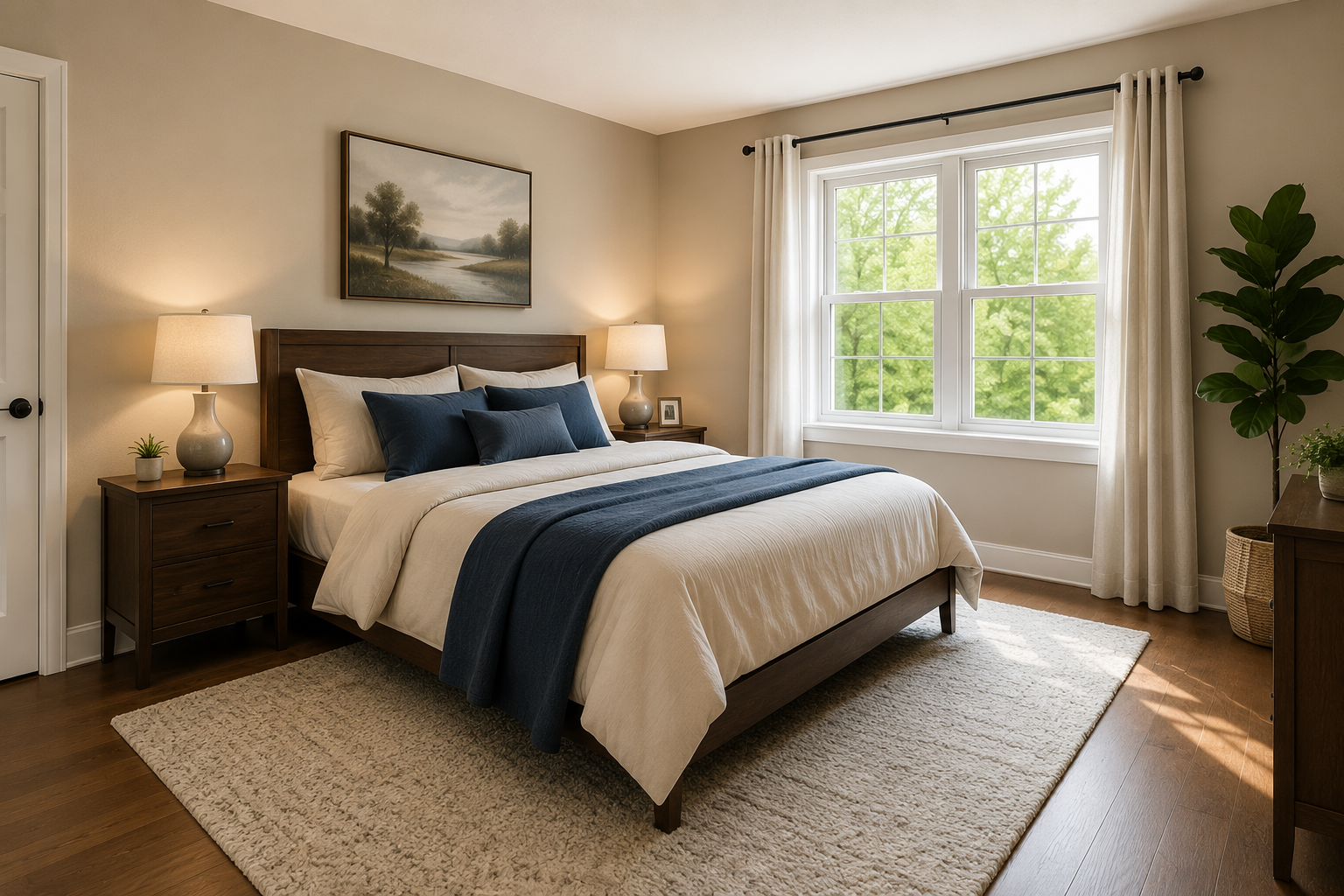
People naturally call any room where someone sleeps a bedroom. An appraiser cannot work that loosely, because the bedroom count is one of the most important features buyers search on and one of the biggest drivers of how homes are compared.


If every seller could label any room a bedroom, the count would mean nothing, and similar homes would look wildly different on paper. So appraisers rely on accepted criteria, drawn from measurement standards and local market norms, to decide what qualifies. The aim is consistency: your three-bedroom should mean the same thing as the three-bedroom down the street it is being compared against. When a room does not meet those criteria, it still has value; it just gets counted as a den, office, bonus room, or flex space rather than a bedroom.

While specifics can vary by market and local code, a few requirements come up again and again when an appraiser decides whether a room counts.

A bedroom needs enough floor area to function as one. Under the ANSI measurement standard widely used in appraisals, finished rooms are measured consistently, and a bedroom is generally expected to be at least 70 square feet with no horizontal dimension smaller than about 7 feet. A long, narrow closet-like space or a tiny room under the stairs usually will not qualify on size alone.

This is the requirement that surprises homeowners most. A bedroom needs a proper means of escape in an emergency, which in practice means a conforming window (or a door to the outside) in addition to the regular entry. Egress-window guidelines commonly referenced call for a window low enough to climb out of, often no higher than about 44 inches from the floor, with a minimum clear opening in the area of 5.7 square feet. A basement room with only a tiny, high window typically fails this test, which is why so many finished basement "bedrooms" get reclassified.

You should be able to enter the room from a hallway or common area, not only by walking through another bedroom. A room you can reach only by passing through a different bedroom usually will not count as its own bedroom, because it lacks privacy and independent access.

Buyers expect a bedroom to have a closet, and in many markets a missing closet hurts how the room is viewed. Appraisal standards are more flexible here than people assume, and older homes built before closets were standard can still have rooms counted as bedrooms. But practically, a room without any closet is more likely to be questioned or counted as a bonus room, especially in newer housing.


When a room checks the size, egress, and access boxes, it generally counts. When it misses one, particularly egress, that is when the bedroom you expected turns into something else on the report.

Tip: Before you market your home, walk each "bedroom" and honestly check three things: Is it at least roughly 70 square feet with no side under about 7 feet? Does it have a window big enough and low enough to climb out of? Can you get to it without crossing another bedroom? If a room fails one of these, expect an appraiser to count it differently, and price and describe your home accordingly, rather than being surprised later.

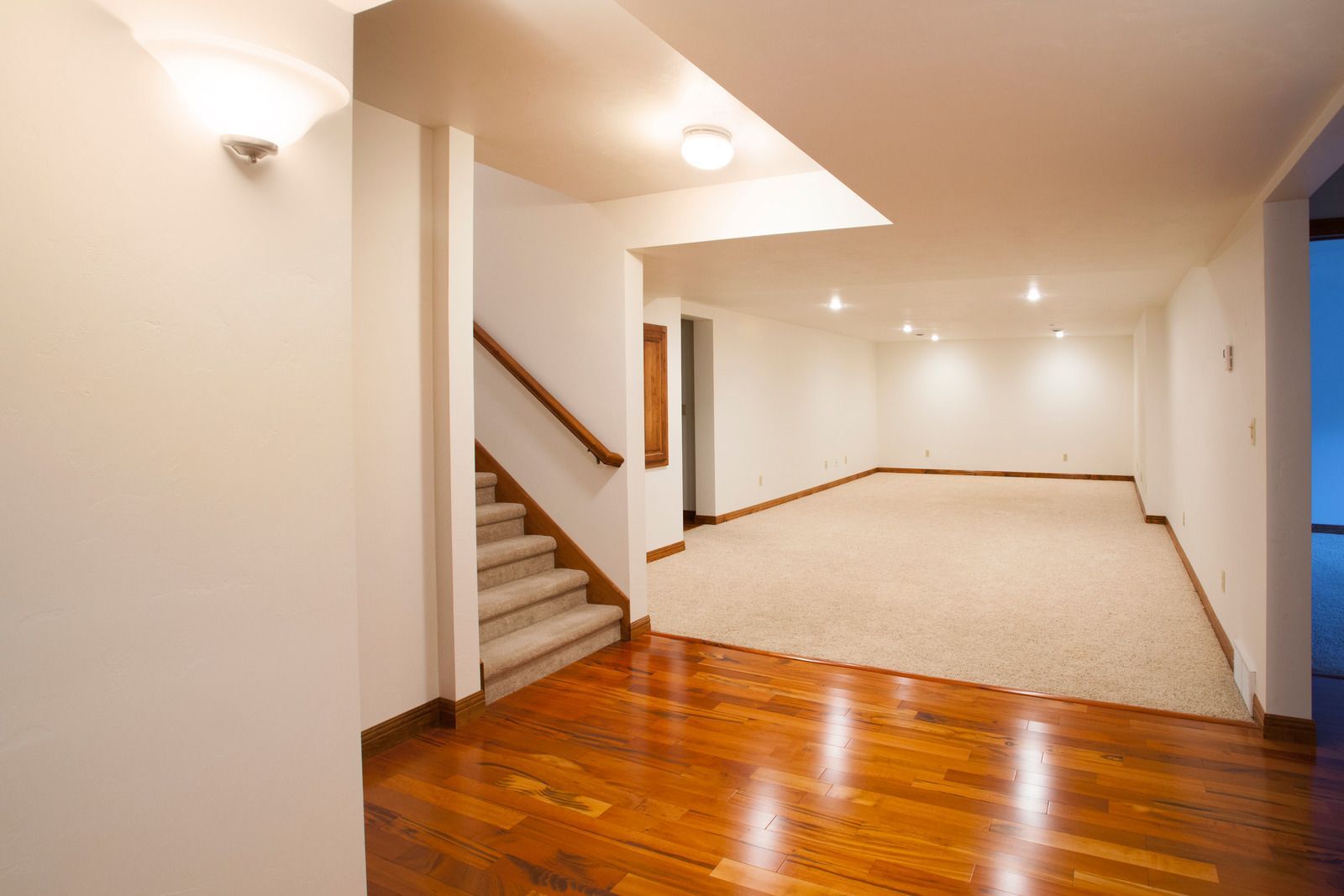
Finished basements are where the bedroom question comes up most often, and it is almost always about egress.


A basement bedroom can be beautifully finished, carpeted, and furnished, and still not count if it lacks a conforming egress window or walkout door. Below-grade rooms frequently have only small windows set high in the wall, which do not meet the size-and-height escape requirement. The room is real, useful living space, but without a proper way out, an appraiser will not classify it as a bedroom. This is not the appraiser being difficult; counting an unsafe sleeping room as a bedroom would misrepresent the home.


There is a second wrinkle in basements. Space below grade is often handled separately from above-grade living area in the way homes are measured and compared, so even a fully qualifying basement bedroom may be reported differently than a bedroom on the main floor. That can be confusing, but it exists so that homes are compared on a consistent above-grade and below-grade basis.

This is not just paperwork. The bedroom count shapes how a home is searched for, compared, and valued.


Buyers filter listings by bedroom count, lenders and the comparison process lean on it heavily, and a four-bedroom is generally compared against other four-bedrooms. If a room you counted does not qualify, your home may be compared against a different set of properties than you expected, which can move the valuation. Because the bedroom count anchors which comparable homes your property is measured against, even a single room reclassified from bedroom to bonus room can change the set of recent sales an appraiser leans on when arriving at a value. The good news is that the underlying space still carries value as a den, office, or bonus room; it simply gets credited differently. And in some cases, a modest change, most often adding a conforming egress window to a basement room, can convert a near-miss into a genuine bedroom, which is worth discussing with the right contractor.


Understanding all of this ahead of time keeps the appraisal from feeling like a surprise. When you know how a room will be counted, you can describe and price your home accurately and avoid the disconnect between what you call a bedroom and what officially counts as one.

  • Does a room need a closet to count as a bedroom?

    Not strictly. Appraisal standards are more flexible on closets than most people think, and older homes often have closet-free rooms that still count as bedrooms. Even so, buyers expect a closet, so a room without one is more likely to be questioned, and in newer homes it may be counted as a bonus room instead.

  • Why didn't my finished basement bedroom count?

    Almost always because of egress. Below-grade rooms frequently have only small, high windows that do not meet the escape-opening requirement, commonly a window no higher than about 44 inches from the floor with a clear opening around 5.7 square feet. Without a conforming egress window or walkout, the room is counted as living space but not a bedroom.

  • What's the minimum size for a bedroom on an appraisal?

    Under the ANSI measurement standard widely used in appraisals, a bedroom is generally expected to be at least about 70 square feet with no horizontal dimension smaller than roughly 7 feet. Very small or narrow rooms may not qualify on size alone, though local market norms also play a role.

  • Can a room I walk through to reach another room be a bedroom?

    The pass-through room can be, but a room you can only reach by walking through another bedroom usually cannot count as a separate bedroom. Bedrooms are expected to have access from a hallway or common area for privacy and independent entry.

  • If my room doesn't count as a bedroom, does it have no value?

    It still has value. It is simply counted as a den, office, flex, or bonus room rather than a bedroom. That space contributes to the home's overall living area and appeal; it just is not credited toward the bedroom count used to compare similar homes.

  • Can I turn a non-conforming room into a real bedroom?

    Sometimes, yes. The most common fix is adding a conforming egress window to a basement room so it meets the escape requirement. Whether that is practical depends on the specific room and home, so it is worth discussing with a qualified contractor or your local building official before making plans.

The gap between a room you call a bedroom and a room that counts as one comes down to a handful of consistent standards: enough size, a real way out, and proper access. None of it is arbitrary, and none of it means a non-qualifying room is worthless. It simply gets counted accurately so your home is compared fairly against others. Knowing these rules before an appraisal turns a potential surprise into something you can plan around.


Know how every room in your home will be counted — Whether you are selling, refinancing, or simply want an accurate picture of your property, understanding which rooms qualify as bedrooms can change how your home is valued and compared. Moore 4-U Appraisals in Wake Forest, NC, brings more than 20 years of experience measuring and classifying homes across the Wake Forest area to recognized standards, so you get a clear, unbiased home appraisal. Reach out to schedule an appraisal and get an accurate picture of what your home really offers. 

Miniature house and padlock in foreground with a person reviewing documents at a desk
June 3, 2026
Settling an estate is often one of the most challenging responsibilities families face after the loss of a loved one. Along with emotional stress, beneficiaries and executors must address financial matters, property distribution, tax considerations, and legal obligations.
Second Mortgage sign beside stacked dollar bills, pen, and eyeglasses on a desk
May 2, 2026
For many homeowners, equity in a property represents a significant financial resource that can be leveraged to achieve major life goals. One common strategy to access this value is through a second mortgage, a type of loan secured against the home in addition to an existing primary mortgage.
A two-story blue house with a stone foundation, a wooden front door, and a paver walkway leading to the porch at dusk.
April 10, 2026
Purchasing a home is one of the most significant financial decisions a person can make, and understanding mortgage options is crucial to making informed choices. Mortgages are not one-size-fits-all, and distinguishing between primary and secondary mortgages can have a substantial impact on financial planning,
Miniature house and padlock in foreground with a person reviewing documents at a desk
June 3, 2026
Settling an estate is often one of the most challenging responsibilities families face after the loss of a loved one. Along with emotional stress, beneficiaries and executors must address financial matters, property distribution, tax considerations, and legal obligations.
Second Mortgage sign beside stacked dollar bills, pen, and eyeglasses on a desk
May 2, 2026
For many homeowners, equity in a property represents a significant financial resource that can be leveraged to achieve major life goals. One common strategy to access this value is through a second mortgage, a type of loan secured against the home in addition to an existing primary mortgage.
A two-story blue house with a stone foundation, a wooden front door, and a paver walkway leading to the porch at dusk.
April 10, 2026
Purchasing a home is one of the most significant financial decisions a person can make, and understanding mortgage options is crucial to making informed choices. Mortgages are not one-size-fits-all, and distinguishing between primary and secondary mortgages can have a substantial impact on financial planning,